
Food Allergies: Causes, Symptoms, and How to Manage Them
If you or someone you love has a food allergy, you’re not alone—about 33 million…
Read MoreThe World Health Organization sounded the alarm in October 2024: more than 200 diseases – ranging from mild digestive discomfort to deadly cancers – are linked to eating unsafe food. In this guide, you’ll get a clear, practical take on the most important food hazards, especially the biological and physical danger signs highlighted in the latest WHO advice. You will find out how routines like proper cooking temps, refrigeration under the magic temperature 40°F as food under this tempearture are out of the danger zone , and keeping your hands clean can make a world of difference in preventing foodborne illness.
Food hazards, especially biological risks, are an enormous and growing concern. The WHO Food Safety Fact Sheet (October 2024) pulls no punches: contaminated food leads to over 200 diseases, with biological hazards in food – like bacteria, viruses, and parasites – at the core of the threat. Chemical hazards also play a role. This ongoing problem takes a toll not just on those who get sick, but on entire health systems and food businesses.
Foof hazards are anything that are harmful for health. It is divided into three main groups: biological (bacteria, viruses, parasites), chemical (pesticides, cleaning agents, toxins), and physical (glass, metal, plastic fragments). Allergens such as nuts, shellfish, or gluten are also example of food hazards. Food safety is about more than just handwashing or double-checking that your burger isn’t raw in the middle. At the heart of it lies the concept of food hazards – anything in what we eat that could make us sick.
As per World Health Organization (WH0), 2024 and Centers for Disease Control and Prevention (CDC), 2023, a ‘food hazard’ means any biological, chemical, or physical agent lurking in food that has the potential to harm you. These aren’t just theoretical concerns: food hazards are behind over 200 diseases around the globe, from passing stomach bugs to life-changing cancers. They create major headaches not only for people who get sick, but also for the food industry and public health authorities. According to the CDC, 48 million Americans are hit by foodborne diseases each year – proof that even in countries with high safety standards, there’s work to do.
Sometimes the hazard in your food is microscopic, like bacteria or virus you can’t see. Other times, it’s obvious – think a sliver of glass or a rogue piece of metal. No matter the source, knowing what you’re up against is the best way to protect both yourself and your loved ones.
This article breaks down food hazards, shows the types that matter most, and gives you hands-on tips to stay safe with every meal.
Tip: Treat leftovers like raw food – reheat thoroughly and store them promptly to keep hazard risks low.
Food hazards aren’t one-size-fits-all. Experts split them into three main categories: biological, chemical, and physical hazards, ranging from unsafe cooking temperatures, to pesticide residues, to foreign objects like glass or metal. Each one brings its own risks and calls for a different prevention strategy.
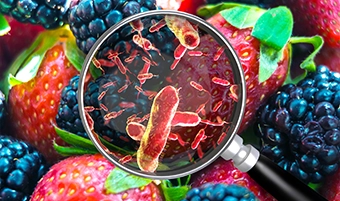
Biological hazards in food are the usual suspects in food poisoning cases. We’re talking about bacteria (like E. coli and Salmonella), viruses (such as norovirus), and parasites. These troublemakers thrive on food that’s not cooked or stored right – and unlike some hazards, they multiply! With the wrong conditions, a few bacteria can turn into millions overnight.
Chemical hazards include everything from cleaning agent residue (imagine bleach left behind on a cutting board), to pesticides, to natural toxins in foods like certain mushrooms or shellfish. It’s not always about eating a giant dose – even low levels can be dangerous, setting off allergies or other health issues.
Physical hazards in food are the foreign objects that slip in by accident: glass shards, fragments of plastic, stray bones or even rocks. Think of someone chomping into something sharp or hard – a broken tooth, a cut lip, or even an internal injury can result.
No matter the type, the methods for keeping food safe – good hygiene, watching temperatures, and smart sourcing – help hold all these risks in check.
Tip:Keep cleaning products in a separate area from food prep tools to prevent accidental chemical exposure.
Biological hazards in food are the top cause of foodborne outbreaks everywhere. The main problems come from a handful of repeat offenders: Salmonella, Listeria monocytogenes, Campylobacter, and certain strains of E. coli.
Each of these has its own way of sneaking into what we eat. Raw poultry and eggs? Prime targets for Salmonella and Campylobacter. Listeria is especially sneaky – this one can actually grow in your fridge, showing up in deli meats and soft cheeses. And E. coli? That can pop up in undercooked ground beef or even in a seemingly harmless salad.
Biological hazards can cause everything from a short-lived tummy ache to much more serious trouble, like kidney failure – especially for young children, older adults, or anyone with a weakened immune system.
The best tools for fighting back are simple: cook meat and eggs thoroughly, keep raw and ready-to-eat foods separate, wash your hands often, and make sure your fridge is set to 40°F or below. Pathogens hate cold below 40°F (4°C) – and hate hot at or above 165°F (74°C), thorough cooking even more. Easy changes in the kitchen really do make a difference. Do not leave the foodstuffs on kitchen cabinet for ore than 2 hours.
Tip:Use color-coded cutting boards (e.g., red for raw meat, green for veggies) to reduce cross-contamination without thinking twice.
Biological hazards in food are the top cause of foodborne outbreaks everywhere. The main problems come from a handful of repeat offenders: Salmonella, Listeria monocytogenes, Campylobacter, and certain strains of E. coli.
Each of these has its own way of sneaking into what we eat. Raw poultry and eggs? Prime targets for Salmonella and Campylobacter. Listeria is especially sneaky – this one can actually grow in your fridge, showing up in deli meats and soft cheeses. And E. coli? That can pop up in undercooked ground beef or even in a seemingly harmless salad.
Biological hazards can cause everything from a short-lived tummy ache to much more serious trouble, like kidney failure – especially for young children, older adults, or anyone with a weakened immune system.
The best tools for fighting back are simple: cook meat and eggs thoroughly, keep raw and ready-to-eat foods separate, wash your hands often, and make sure your fridge is set to 40°F or below. Pathogens hate cold below 40°F (4°C) – and hate hot at or above 165°F (74°C), thorough cooking even more. Easy changes in the kitchen really do make a difference. Do not leave the foodstuffs on kitchen cabinet for ore than 2 hours.
Tip:Use color-coded cutting boards (e.g., red for raw meat, green for veggies) to reduce cross-contamination without thinking twice.
Physical hazards might be obvious, but that doesn’t make them any less dangerous. Physical hazard examples cover a wide range: glass fragments from jars, stones hidden in grains or beans, bits of metal from kitchen equipment, stray bones in processed meats, and even plastic or wood shavings from packaging. The risks are far from trivial. Swallowing or biting these objects can chip teeth, cut mouths, or – if swallowed – cause serious harm in the throat or gut.
These hazards often sneak in during processing or preparation: machinery breaks, containers crack, inspections get skipped, or a bit of packaging ends up where it shouldn’t. In commercial kitchens, a lack of routine equipment checks is another big culprit. Personal jewelry or damaged gloves can alsocontribute to these risks.
You can sidestep many of these hazards with a little care. Regularly inspect kitchen tools and machines, check ingredients as you prep, and use containers that aren’t cracked or chipped. Food factories use metal detectors and special screens, but at home, vigilance and a careful eye go a long way. Parents should also keep an eye on children’s food to avoid any choking materials. The more attention everyone pays during prep, the fewer surprises end up on your plate.
Tip: If you’re prepping beans, lentils, or rice – give them a quick scan and rinse to catch any unexpected pebbles or debris.
Every day, countless meals make their way from kitchens to dinner tables. And it’s the little choices along that journey that tip the scale between safe and risky food.
The latest WHO report is crystal clear: the simplest routines work the best. Cook foods thoroughly and use a food thermometer, put perishable foods in the fridge ASAP (below 40°F), and never forget to wash hands and utensils after handling raw ingredients. Keeping raw meat and ready-to-eat items apart stops bacteria from hitching a ride.
Something as small as switching out a cutting board after prepping raw chicken, or wiping down surfaces between tasks, can block bacteria or foreign objects from getting into your meal. Check expiration dates, buy food from reliable stores, and read labels – these small checks save a lot of trouble.
Tip: Set reminders on your phone to clean the fridge weekly – catching expired items early can prevent bigger problems later.
Food hazards may take many forms – some you see, many you don’t. But understanding them, spotting the red flags, and practicing a few mindful habits in your kitchen are the keys to keeping food safe. Whether you’re cooking for your family or preparing meals in a bustling restaurant, small steps like washing hands, using clean tools, and staying alert to contamination risks all add up. By staying vigilant and making food safety a daily priority, you protect not just your own plate – but the wider community that depends on safe, healthy food.
A: Biological hazards in food include harmful bacteria like Salmonella, E. coli, and Listeria. These hazards cause most foodborne diseases worldwide. Recognizing and preventing biological hazards is essential for safer eating at home and in kitchens.
A: Physical hazards in food include glass fragments, stones, bones, or metal pieces. Preventing physical hazards means checking ingredients, using undamaged equipment, and following good storage and cleaning routines in both home and professional kitchens.
A: The main types of food hazards are biological, chemical, and physical. Biological hazards involve bacteria and viruses, chemical hazards include toxins or cleaning agents, and physical hazards involve foreign objects like glass or bones in food.
A: To reduce food hazards at home, always cook foods thoroughly, separate raw from cooked foods, wash hands, keep perishable foods refrigerated below 40°F, and clean kitchen surfaces often to prevent cross-contamination and bacterial growth.
A: Keeping foods refrigerated below 40°F helps slow the growth of bacteria and reduces biological hazards in food. This simple step is crucial for preventing foodborne illness and keeping meals safe for everyone.
If you or someone you love has a food allergy, you’re not alone—about 33 million…
Read MoreThe World Health Organization sounded the alarm in October 2024: more than 200 diseases –…
Read MoreSurprisingly, the USDA FSIS recently found that two out of three people use food thermometers…
Read MoreStay informed with the latest food safety guidelines, industry updates, and expert tips to keep your workplace compliant and safe.
Industry-leading food safety certifications that work nationwide. Start today, download your certificate instantly.