Food Allergies: Causes, Symptoms, and How to Manage Them
If you or someone you love has a food allergy, you’re not alone—about 33 million…
Read More




 [August 20, 2025]
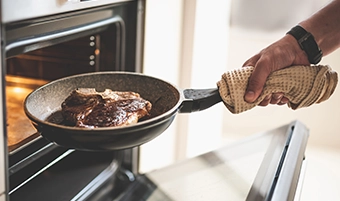





Want to master restaurant-quality steak at home—without a grill or hours of guesswork? The secret lies in precision, not intuition – because cooking meat to the right temperature isn’t just about taste, it’s about protecting your health. According to the method developed by professional chef Nicky Corbishley of Kitchen Sanctuary and confirmed by a 2021 AgResearch study, reaching that precise 58°C-62°C (136°F-144°F) internal temperature helps lock in steak’s juiciness and elevate its flavor, delivering medium-rare steakhouse-level results right in your kitchen. Let’s be real: pulling off the perfect steak at home can feel impossible. Most of us guess our way through temperatures and timing—rarely hitting the mark. In this guide, we walk you through a proven, research-informed method for making steak tips in your oven.

Let’s face it – cooking steak at home can feel intimidating. But when you use the oven correctly, it becomes a powerful tool for achieving even, delicious doneness. Oven-cooked steak gives you more precise control over heat compared to stovetop-only or grilling methods. This controlled environment not only leads to more consistent results, but it also reduces the risk of overcooked exteriors and undercooked, raw centers – a common food safety and quality concern.
According to the cooking method outlined by Kitchen Sanctuary in their 2024 article ‘How to cook the perfect steak,’ the best steak comes from a combination of stovetop searing and oven finishing. This hybrid approach gives you a crisp, flavorful crust and a juicy center – especially when paired with the right internal temperature target.
The AgResearch report backs this method scientifically, showing that the sweet spot for peak tenderness and flavor falls between 136°F and 144°F (58°C–62°C). Cook beyond that, and you’ll end up with a tough, dry steak. Undershoot it, and you’re not just compromising flavor – you may also be serving undercooked meat that hasn’t reached the safe internal temperature needed to kill harmful bacteria like E. coli or Salmonella. Hitting that precise range is key not just to taste, but to foodborne illness prevention too.
Tip: A thick, oven-safe skillet (like cast iron) helps retain heat evenly and provides an ideal sear before transferring to the oven.
Kitchen Sanctuary’s method and the AgResearch study both emphasize the importance of hitting 58°C–62°C (136°F–144°F) to get the most out of your steak. This temperature range ensures that your steak is safe to eat while keeping it mouthwateringly tender.
Different cuts will behave differently in the oven. Ribeye, for example, contains more marbling and will render out juicy and flavorful when cooked properly. Sirloin is leaner but still flavorful, and fillet steak (tenderloin) is ultra-soft and perfect for first-timers.
Chef Corbishley recommends pulling the steak from the oven just shy of the target temperature and letting it rest, which allows carryover heat – the residual warmth still inside the meat – to finish the job gently. This final step brings the steak to perfection without overcooking or drying it out.
Tip: Use a meat thermometer inserted into the thickest part of the steak – away from fat or bone – to get the most accurate temperature reading.
Cooking steak in the oven is refreshingly simple when you break it down. Here’s how to do it.
Chef Corbishley recommends flipping the steak every minute while searing, which helps create a more even crust and prevents overcooking. Her method also highlights the importance of basting with butter and herbs in the final seconds for an extra layer of flavor.
Want a deep crust? Freeze your steak for 10 minutes before searing. It gives the surface time to brown without overcooking the center.
Safe steak starts before the first sizzle. Cross-contamination is one of the most common (and preventable) food safety issues in the kitchen.
Dialing in the details can make your home-cooked steak truly unforgettable. Start with seasoning – use plenty of kosher salt and freshly cracked pepper, adding garlic powder or a spice rub if you’re feeling bold. Once your steak’s out of the oven, top with a slice of butter or a drizzle of olive oil. It melts over the meat adding flavor and boosting that classic steakhouse shine.
A good meat thermometer is your best ally. Always trust your thermometer for steak tips and whole cuts – you’ll never regret being precise here. When your meat reaches the 136°F–144°F (58°C–62°C) range, move it off the heat promptly. Letting steak rest for at least five minutes makes a night-and-day difference; it locks moisture in and gives you that coveted tenderness.
Tip:Slice your steak against the grain – it breaks up muscle fibers and makes every bite more tender.
A great steak deserves sides that do it justice. If you’re wondering what to make with steak, think about vegetables that brighten and balance the meal. Roasted or grilled asparagus, colorful carrots, and crispy green beans fit the bill. For hearty comfort, pair your steak with fluffy baked potatoes, creamy mashed potatoes, or a rich risotto.
Craving that steakhouse vibe? Creamed spinach and crispy Brussels sprouts always satisfy. These fiber-rich veggies also aid digestion and help balance out a protein-heavy meal. And don’t forget the sauces – try chimichurri for zing, peppercorn for heat, or béarnaise for a hit of classic flavor.
Elevate your steak game with a few extra tricks that chefs swear by:
.
Perfecting oven-cooked steak isn’t just about technique – it’s about understanding the science, mastering a few essentials, and trusting your tools. By focusing on the proven internal temperature range of 136°F–144°F (58°C–62°C), you unlock tender, juicy steak every single time.
The Kitchen Sanctuary method focuses on pan-searing, oven-finishing, and precise temperature checks for consistent, juicy results. Combined with insights from the AgResearch study, this method proves that following research-backed temperatures truly makes all the difference.
Whether you’re cooking for guests or just treating yourself, following these steps ensures a steak that’s bold, balanced, and deeply satisfying. From prepping your pan to choosing your sides, everything you do adds up to that first perfect bite.
Use this guide as your roadmap – and let the oven do the heavy lifting. Happy cooking!
A: The ideal internal temperature for medium-rare to medium steak is between 58°C and 62°C (136°F to 144°F). This range balances tenderness and flavor while ensuring the steak is safe to eat.
A: Yes – using a digital meat thermometer takes the guesswork out of cooking. It helps you achieve the perfect doneness and prevents undercooking or overcooking your steak.
A: Ribeye, sirloin, tenderloin, and flat iron are all excellent choices. Ribeye offers rich marbling and flavor, sirloin provides a hearty bite, and tenderloin is extra-soft and great for beginners.
A: Use separate cutting boards for meat and vegetables, wash your hands thoroughly after handling raw meat, sanitize your knives and surfaces, and discard or boil marinades that touched raw steak.
A: Absolutely. Letting steak rest for 5–10 minutes allows juices to redistribute evenly, making your steak more flavorful and moist.
A: Start by searing the steak in a hot skillet for 1.5–2 minutes per side before finishing it in the oven. For deeper crusts, chill or lightly freeze the steak for 10 minutes before searing.
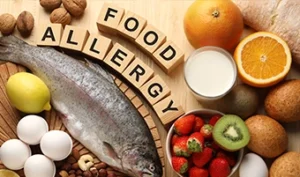
If you or someone you love has a food allergy, you’re not alone—about 33 million…
Read More

The World Health Organization sounded the alarm in October 2024: more than 200 diseases –…
Read More

Surprisingly, the USDA FSIS recently found that two out of three people use food thermometers…
Read More
Stay informed with the latest food safety guidelines, industry updates, and expert tips to keep your workplace compliant and safe.
If you or someone you love has a food allergy, you’re not alone—about 33 million…
Read More
The World Health Organization sounded the alarm in October 2024: more than 200 diseases –…
Read More
Surprisingly, the USDA FSIS recently found that two out of three people use food thermometers…
Read More
Industry-leading food safety certifications that work nationwide. Start today, download your certificate instantly.