

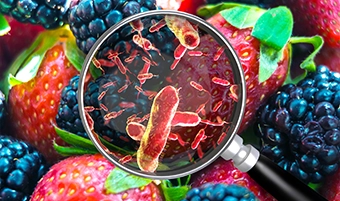
The World Health Organization sounded the alarm in October 2024: more than 200 diseases – ranging from mild digestive discomfort to deadly cancers – are linked to eating unsafe food. In this guide, you’ll get a clear, practical take on the most important food hazards, especially the biological and physical danger signs highlighted in the latest WHO advice. You will find out how routines like proper cooking temps, refrigeration under the magic temperature 40°F as food under this tempearture are out of the danger zone , and keeping your hands clean can make a world of difference in preventing foodborne illness.
Food hazards, especially biological risks, are an enormous and growing concern. The WHO Food Safety Fact Sheet (October 2024) pulls no punches: contaminated food leads to over 200 diseases, with biological hazards in food – like bacteria, viruses, and parasites – at the core of the threat. Chemical hazards also play a role. This ongoing problem takes a toll not just on those who get sick, but on entire health systems and food businesses.
