Alergias alimentarias: causas, síntomas y cómo manejarlas

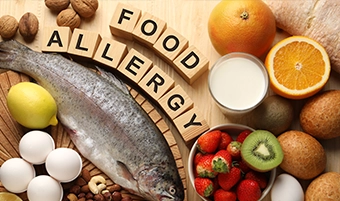
If you or someone you love has a food allergy, you’re not alone—about 33 million Americans, including 1 in 13 children, live with at least one, according to FARE’s 2024 findings. In this article, you’ll learn what causes food allergies, how to spot symptoms, which foods are common triggers, and the latest evidence-based treatments. We’ll also explain the difference between food allergies and food intolerances, giving you clear steps to reduce risk and create safer spaces at home, school, and work.

Food allergies continue to rise in the U.S., affecting both kids and adults. Teachers, parents, and caregivers face growing responsibility, yet confusion remains about symptoms and emergency response. This uncertainty leaves many families stressed, leads to unnecessary ER visits, and delays proper care.
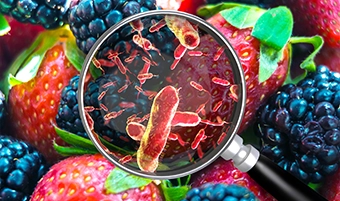
Table of contents

  1. What Are Food Allergies and How Widespread Are They?
  2. How to Tell Food Allergy Symptoms Apart from Food Intolerance
  3. The Most Common Food Allergies in the U.S.
  4. Prevention and Treatment: Living Safely with Food Allergies
  5. Building Supportive Communities for People With Food Allergies
  6. Conclusion

FAQs

Comprender los peligros alimentarios: tipos, riesgos y ejemplos reales

The World Health Organization sounded the alarm in October 2024: more than 200 diseases – ranging from mild digestive discomfort to deadly cancers – are linked to eating unsafe food. In this guide, you’ll get a clear, practical take on the most important food hazards, especially the biological and physical danger signs highlighted in the latest WHO advice. You will find out how routines like proper cooking temps, refrigeration under the magic temperature 40°F as food under this tempearture are out of the danger zone , and keeping your hands clean can make a world of difference in preventing foodborne illness. 

Food hazards, especially biological risks, are an enormous and growing concern. The WHO Food Safety Fact Sheet (October 2024) pulls no punches: contaminated food leads to over 200 diseases, with biological hazards in food – like bacteria, viruses, and parasites – at the core of the threat. Chemical hazards also play a role. This ongoing problem takes a toll not just on those who get sick, but on entire health systems and food businesses. 

Table of contents

  1. What Are Food Hazards? Defining the Risks
  2. The Main Types of Food Hazards: Biological, Chemical, and Physical
  3. Biological Hazards in Food: Key Examples and Concerns
  4. Physical Hazards in Food: Common Examples and Prevention
  5. Food Safety Habits with Big Impact
  6. Conclusion
  7. FAQs

How to Prevent Foodborne Illnesses: Easy Steps for Safer Meals

Surprisingly, the USDA FSIS recently found that two out of three people use food thermometers incorrectly – putting food at risk in the very temperature range where dangerous bacteria like Salmonella and E. coli multiply rapidly, increasing the risk of foodborne infections. This post walks you through practical ways to prevent foodborne illness, using the latest USDA guidelines.

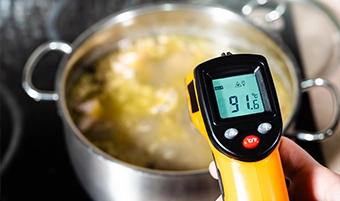
The newest stats from theUSDA’s Food Safety and Inspection Service (FSIS) as of November 14, 2024, show that most home cooks and food workers still don’t use thermometers as they should. This leads to food sitting between 40°F and 140°F, a temperature window where bacteria grow fast. Far too many cases of foodborne illness come from this one mistake. There’s an urgent need to bridge this temperature knowledge gap and embrace better foodborne illness prevention steps.

Table of contents

  1. Understanding the Risks: How Foodborne Illnesses Happen
  2. Control de temperatura: The Key to Preventing Foodborne Illness
  3. Safe Cooking and Storage: Steps for Every Kitchen
  4. Best Practices for Preventing Foodborne Illness at Inicio
  5. Best Practices for Preventing Foodborne Illness in Food Service
  6. Conclusion
  7. FAQs

Food Safety Compliance Management: Top Strategies for Brands in 2025

More than 70% of today’s consumers stick with brands that nail food safety and transparency – and that loyalty is setting the winners apart in 2025 (FoodReady.ai). The 2025 edition of A Quick Guide to Food Safety Standards from FoodReady.ai spells out a pivotal reality for the food business: food safety compliance now shapes whether a brand sinks or swims. This year brings tougher FSMA traceability deadlines, expanded supplier verification requirements, and stricter allergen labeling rules, raising the stakes for every food producer. 

With tighter FSMA rules, especially around traceability, supplier vetting, and allergen risks, brands need to adopt digital solutions and robust protocols. Lagging behind puts companies at risk. This guide walks food brands through the steps of building a forward-thinking safety compliance management system.

How Food Safety Training Videos Are Revolutionizing Culinary Education

Imagine walking into a kitchen where food safety isn’t just a rule – it’s second nature. Level of safety doesn’t just prevent illness, it can literally save lives and protect public health. That kind of culture doesn’t come from posters on the wall or dry lectures. It comes from training that sticks, speaks to everyone, and feels relevant. That’s where food safety training videos come in.

Pulling insights from the 2025 Food and Nutrition Journalreview, this article unpacks how video-based learning – like animated explainers and hands-on simulations – is changing the way culinary teams learn, remember, and apply safety protocols. We’ll break down why these tools work so well, how they overcome common training roadblocks, and how you can use them in your kitchen today.

The Temperature Danger Zone for Food: How to Keep Your Kitchen Safe

The USDA FSIS Food Safety Basics and the 2025 Safe Minimum Internal Temperature Chart draw a clear line: the temperature danger zone for food spans from 40°F to 140°F. Within this range, bacteria multiply at lightning speed – sometimes doubling every 20 minutes. Many of us underestimate just how quickly and easily food can slip into this risky zone, often leaving dishes out longer than we intend. The updated USDA guidance makes it clear – even a short stint in the food danger zone can lead to a real spike in harmful bacteria and a higher chance of getting sick. If we let our guard down, whether at home or in a restaurant, everyday habits can turn food into a health hazard – sometimes without any visible sign.

Guide to Food Allergen Cross-Contact Prevention

It’s staggering – over half of allergic reactions in restaurants still happen after diners warn staff about their food allergies. According to a study  Konstantinou GN et a published in February 2020 in “The Journal of Allergy and Clinical Immunology,” Food Allergy Research & Education (FARE) analyzed data from 2,822 individuals and found that 53.9% of allergic reactions happened eem though customers informed restaurant staff about it. Everyday mistakes – like using the same tongs for shrimp and salad or cleaning surfaces with a dirty towel – can end up putting someone’s health at risk. Restaurants need clear protocols and ongoing staff training that take food allergen cross-contact prevention seriously, making it something everyone puts into action every day.

Kitchen Safety and Sanitation: Key Tips for a Cleaner, Safer Culinary Space

Ever wondered what really keeps your kitchen free of hidden germs and safety hazards? Maintaining proper kitchen sanitization is essential to prevent contamination and bacterial growth. In this guide, we break down hands-on kitchen safety and sanitation tips inspired by the latest National Restaurant Association(NRA) research. Here’s what you can expect: actionable advice on adopting food safety management systems, streamlining staff training, and building a kitchen culture focused on thorough sanitation.

What Is HACCP? A Complete Guide to the 7 Principles for Food Safety

Here’s something eye-opening: The FDA reported that food businesses actively using HACCP programs had half as many violations during inspections compared to those without one. That’s not just a minor footnote; it’s a shift in how food safety is managed. It means fewer chances of making people sick, fewer compliance headaches, and a whole lot more peace of mind for anyone running or working in a food facility.

When you stop to think about how food makes its way from farm to table, there are countless opportunities for things to go wrong. Cross-contamination, spoilage, unsafe temperatures – these aren’t just minor slip-ups. They can lead to major foodborne outbreaks, legal trouble, and damage to your brand’s reputation.

That same FDA report ‘HACCP Principles & Application Guidelines’ found that businesses lacking a formal HACCP plan were significantly more likely to experience repeat violations. Why? Because without a proactive system, risks go unnoticed until it’s too late. But when HACCP is properly implemented, food businesses take control. They learn to anticipate hazards, take swift corrective actions, and maintain accountability across all operations.

 In this guide, we’ll unpack what HACCP really means and how its 7 core principles can help you safeguard customers, improve workflow, and stay inspection-ready, with practical insights and real-world applications. 

Why Every Restaurant Worker Needs Food Handler Certification

Here’s something eye-opening: Restaurants with certified food safety managers experience 20% fewer foodborne outbreaks (Food and Nutrition Journal). That’s not just a dry statistic from a lab – that’s real peace of mind for diners, real protection for business owners, and real confidence for every team member handling food. When you dine out, you trust the people preparing your food. But behind the scenes, the reality is more complicated. Not every restaurant worker receives formal training in food safety – and the gap can be costly. Foodborne illnesses still impact millions of Americans each year, and the restaurant industry is one of the top sources of outbreaks. In this article, we’ll break down how food handler certification addresses critical training gaps, what these courses actually teach, and how certification benefits not just the restaurant’s safety score – but also its bottom line.